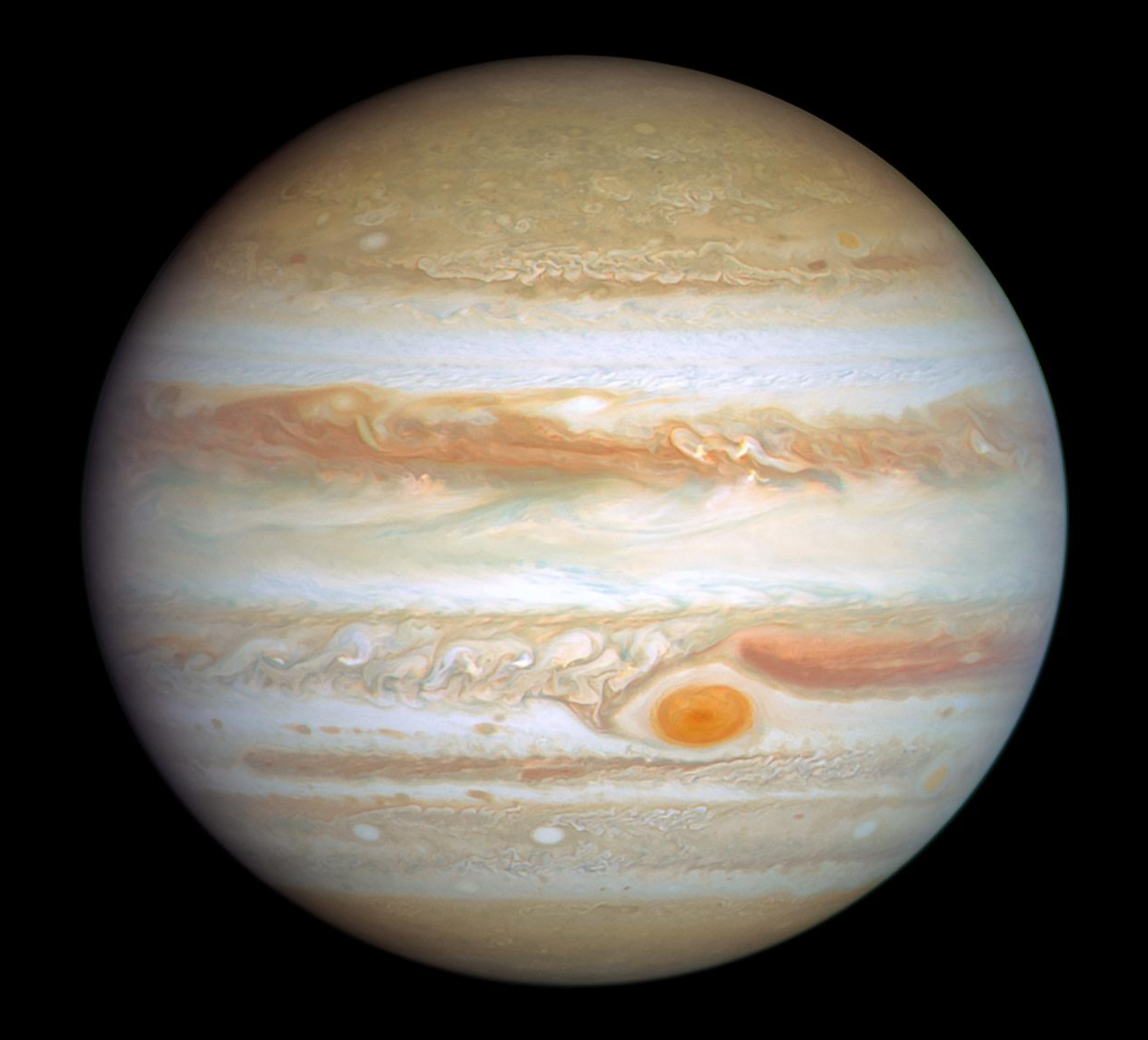
Jupiter is a world of extremes. It's the largest planet in our solar system. If it were a hollow shell, 1,000 Earths could fit inside. It's also the oldest planet, forming from the dust and gases left over from the Sun's formation 4.6 billion years ago. But it has the shortest day in the solar system, taking about 9.9 hours to spin around once on its axis.
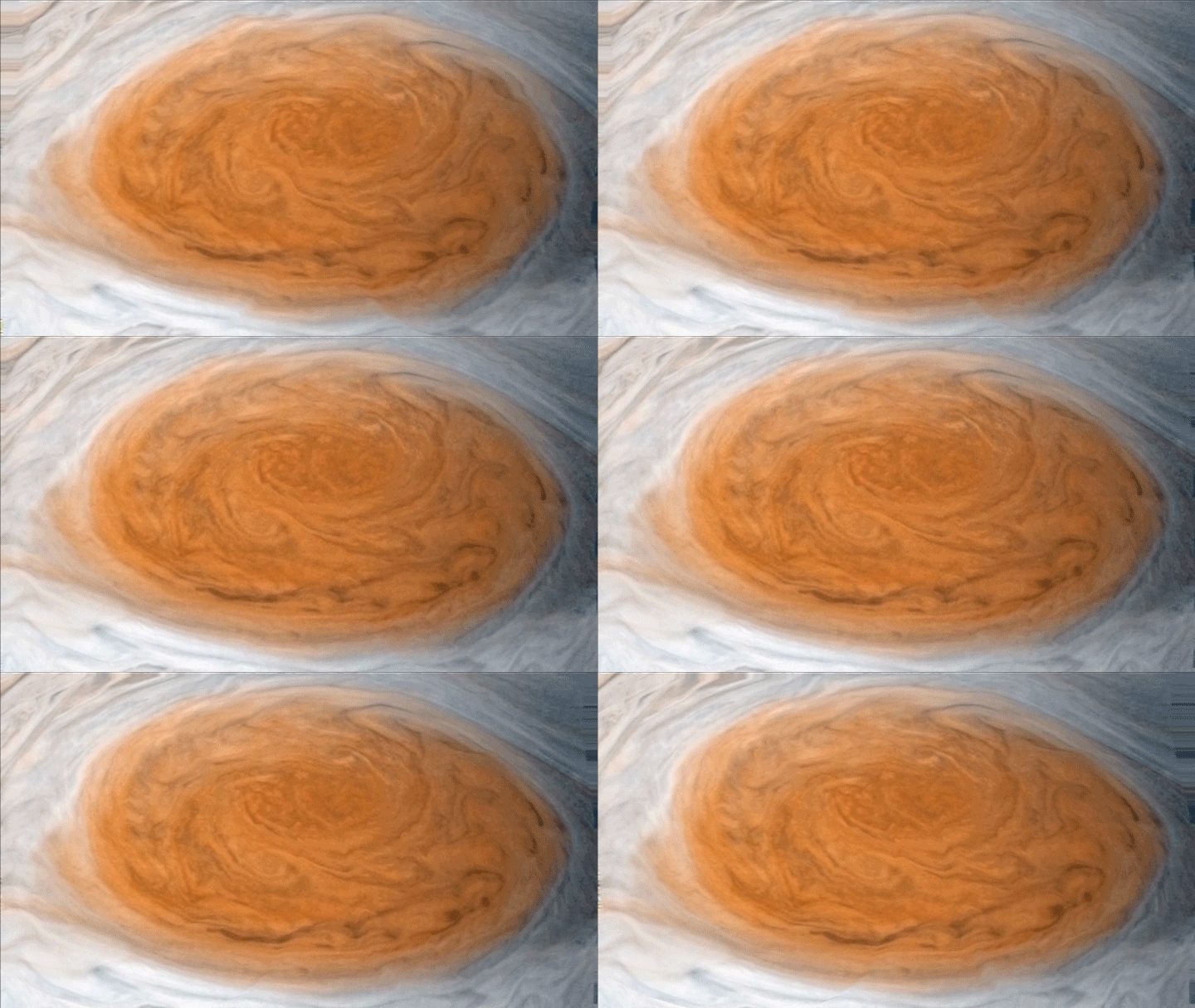
Jupiter's signature stripes and swirls are actually cold, windy clouds of ammonia and water, floating in an atmosphere of hydrogen and helium. The dark orange stripes are called belts, while the lighter bands are called zones, and they flow east and west in opposite directions. Jupiter's iconic Great Red Spot is a giant storm bigger than Earth that has raged for hundreds of years.
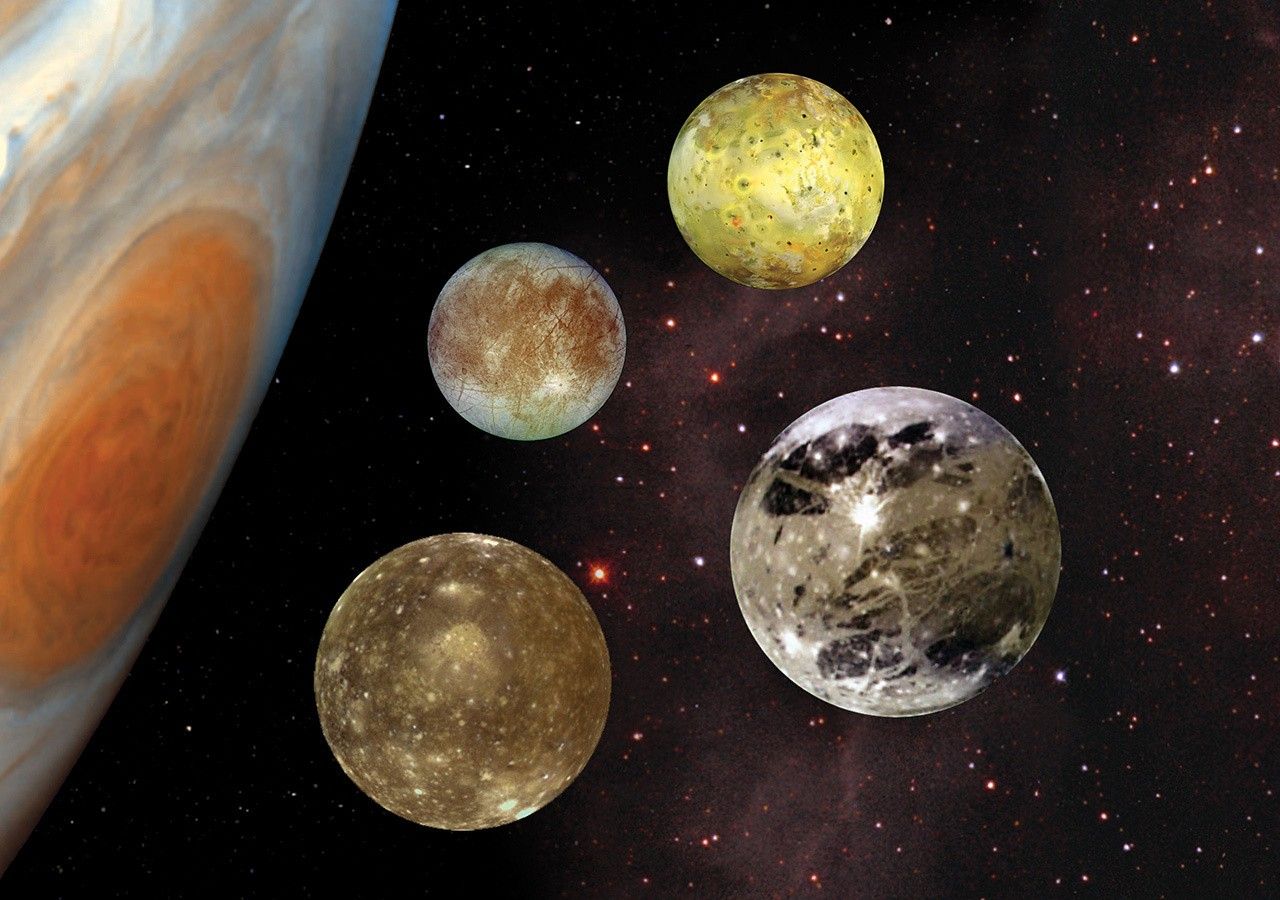
The king of planets was named for Jupiter, king of the gods in Roman mythology. Most of its moons are also named for mythological characters, figures associated with Jupiter or his Greek counterpart, Zeus.
|
|
|
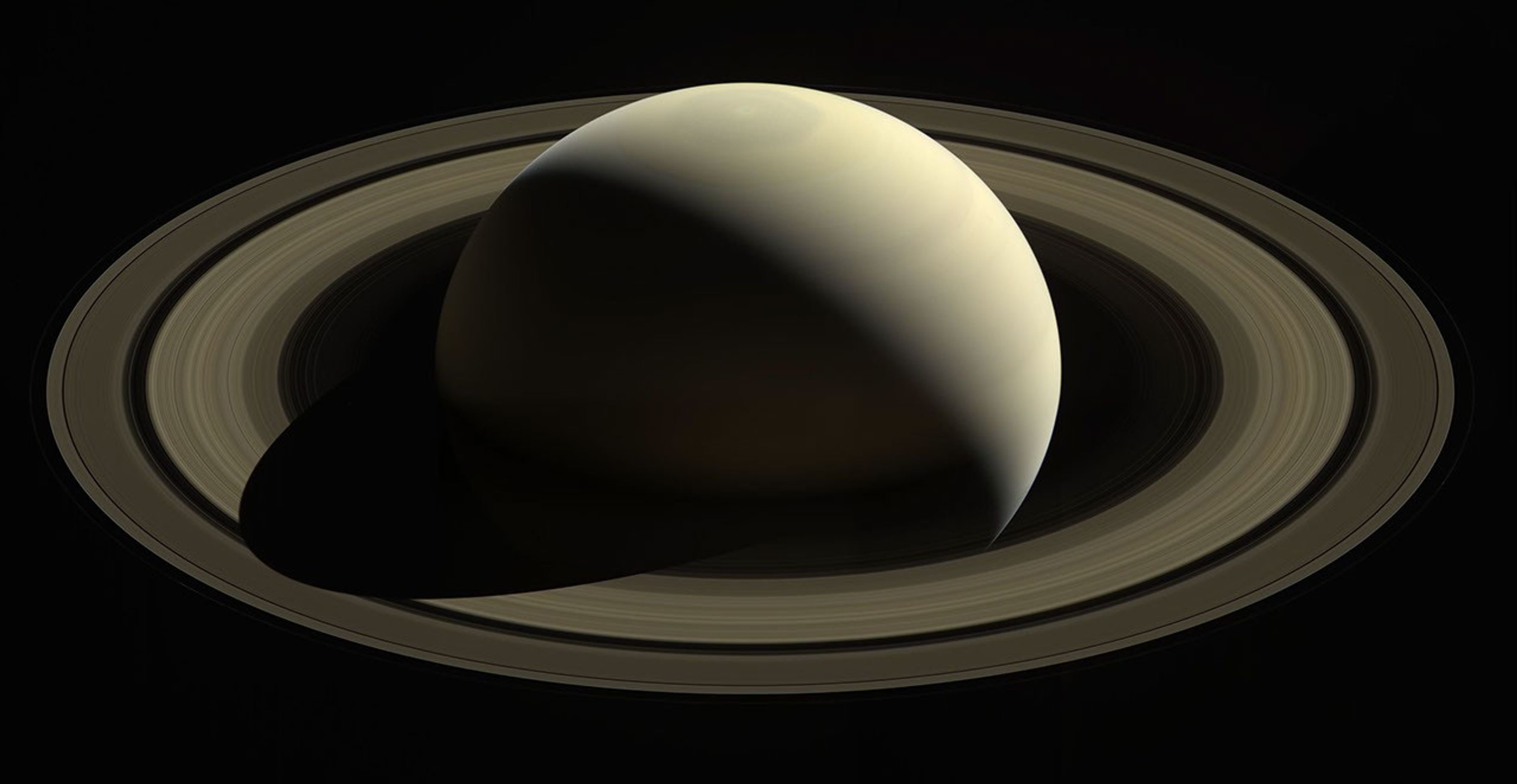
Saturn is the sixth planet from the Sun, and the second-largest planet in our solar system.
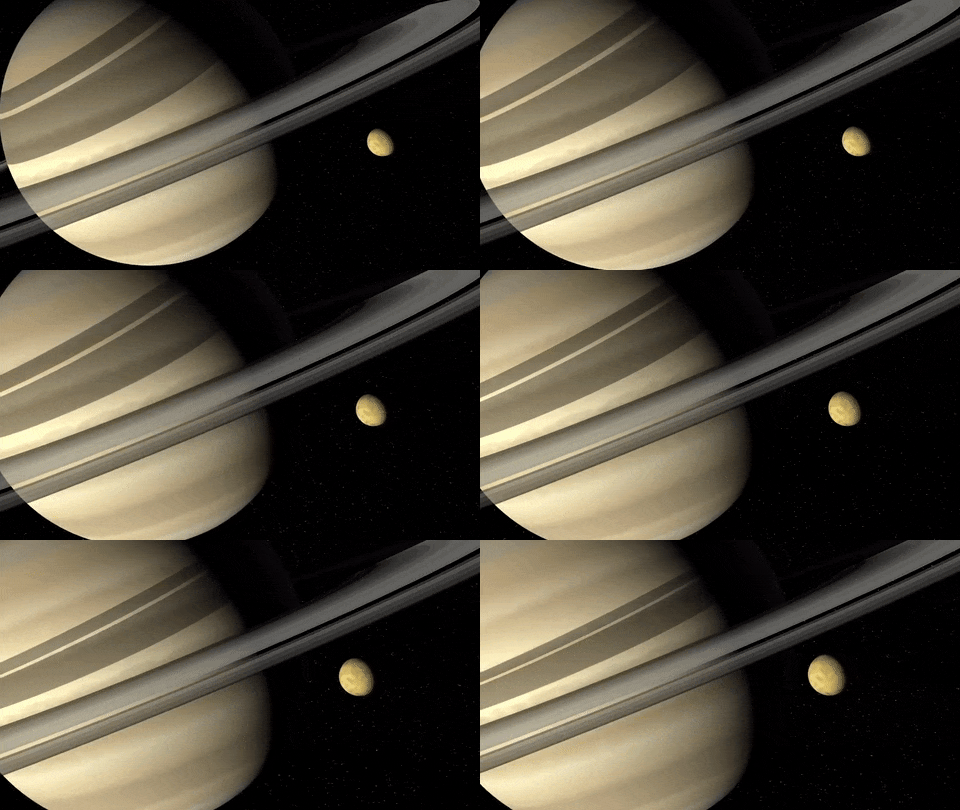
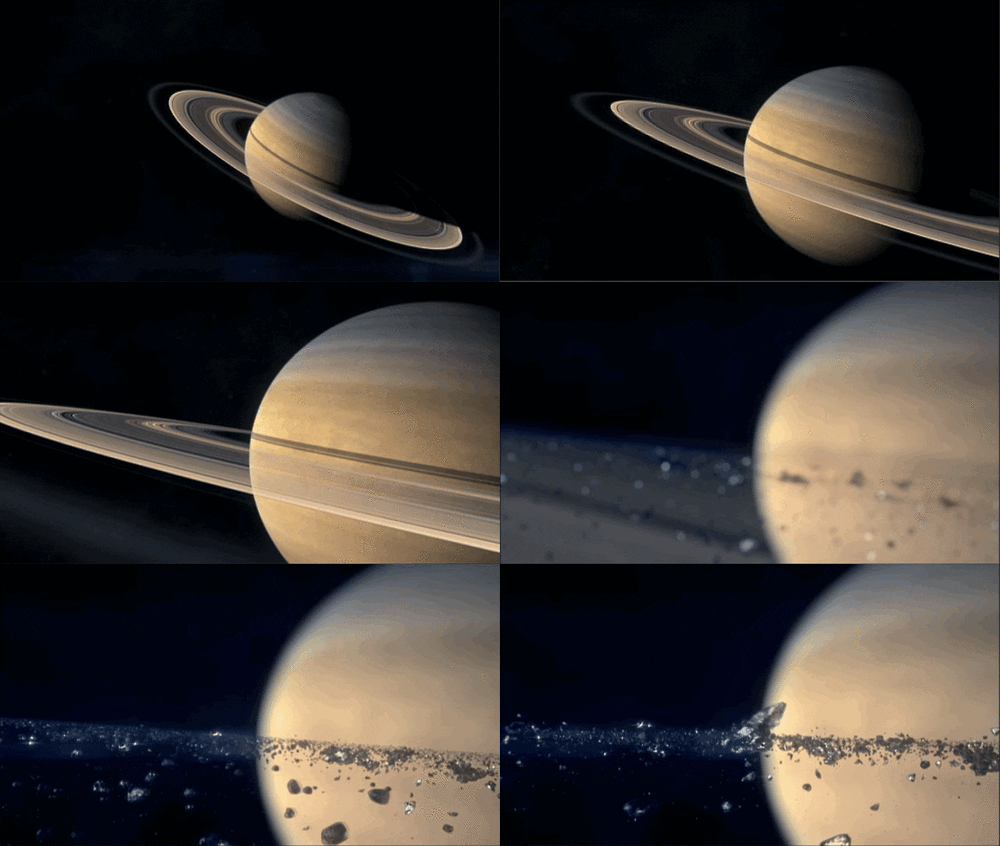
Like fellow gas giant Jupiter, Saturn is a massive ball made mostly of hydrogen and helium. Saturn is not the only planet to have rings, but none are as spectacular or as complex as Saturn's. Saturn also has dozens of moons.
From the jets of water that spray from Saturn's moon Enceladus to the methane lakes on smoggy Titan, the Saturn system is a rich source of scientific discovery and still holds many mysteries.
 |
 |
 |